Nature's Nourishment & Body Weight Science
Exploring natural perspectives through evidence-based insights
Educational content only. No promises of outcomes.
Understanding Natural Energy Acquisition
How organisms obtain and utilize energy from natural whole food sources
Natural Physiological Processes
The human body has evolved intricate mechanisms for acquiring energy from natural food sources. When we consume whole foods in their minimally processed state, our digestive system engages in complex biochemical processes to extract and utilize nutrients.
This energy acquisition process involves the breakdown of macronutrients—proteins, fats, and carbohydrates—into usable forms. Each food source carries unique nutrient profiles that interact with our metabolism in distinct ways.

Plant Compound Metabolism
Natural plant-based foods contain a vast array of bioactive compounds—phytochemicals, polyphenols, and flavonoids—that interact with human physiology in nuanced ways. These compounds are not simply passive nutrients; they actively participate in metabolic processes.
The scientific study of how these plant compounds interact with our metabolic pathways reveals sophisticated relationships between food chemistry and bodily function. Some compounds influence enzyme activity, others modulate cellular signaling, and many act as antioxidants within various biological systems.
Understanding these interactions helps clarify why diverse plant sources have been traditionally valued in human nutrition across different cultures and time periods.
Food Diversity & Digestive Health

The Role of Variety
The diversity of foods we consume has profound effects on digestive function and overall metabolic health. A varied intake of natural foods exposes our digestive system to different fiber types, resistant starches, and prebiotic compounds that support beneficial microbial communities in the gut.
These microbial populations, collectively known as the microbiome, play crucial roles in nutrient extraction, immune function, and metabolic regulation. The more diverse the food intake, the more diverse and resilient these microbial communities tend to be.
Traditional dietary patterns from nature often reflect this principle—seasonal eating naturally encourages consumption of a wide variety of foods throughout the year.
Seasonal Nutrient Cycles
Nature operates in cycles, and so does the nutrient availability of seasonal foods. Different seasons offer distinct nutritional profiles—spring greens provide fresh minerals, summer fruits deliver concentrated sugars and polyphenols, autumn harvests offer root vegetables rich in resistant starches, and winter preservation methods traditionally enhanced certain nutrient properties.
Aligning food consumption with seasonal availability is not merely romantic nostalgia; it reflects how human nutrition has functioned for millennia. Seasonal eating patterns naturally encourage rotation of foods, preventing both monotony and potential nutrient imbalances from overreliance on particular sources.
The physiological implications of these cycles—from seasonal variations in energy needs to temperature-influenced metabolic adaptations—demonstrate that human nutrition exists within broader natural rhythms.
Natural Satiety Signals
How Whole Foods Signal Fullness
The human body possesses sophisticated mechanisms for sensing fullness and regulating intake—mechanisms that evolved in environments abundant with minimally processed whole foods.
Whole, unprocessed foods contain fiber, water, and intact cellular structures that require more digestive effort. These foods tend to activate satiety signals more effectively than their processed equivalents. The mechanical act of chewing, the volume of food, the fiber content, and the nutrient density all contribute to signals that indicate fullness to the central nervous system.
These satiety mechanisms reflect millions of years of evolutionary refinement. Understanding how they function provides insight into why certain food characteristics influence consumption patterns.

Common Natural Nutrition Myths
- All natural foods are equally nutritious. While whole foods are nutrient-dense, their specific profiles vary significantly. Different foods provide different nutrient concentrations.
- Traditional eating patterns are automatically optimal for modern humans. Traditional patterns offer valuable insights, but modern contexts differ substantially from historical ones.
- Plant compounds work identically in all individuals. Genetic variation, microbiome composition, and individual metabolism create different responses to the same plant compounds.
- Processed foods provide equivalent nutrition in different forms. Processing alters not just nutrient composition but also bioavailability, texture, and satiety characteristics.
- Natural automatically means beneficial. Natural toxins, allergens, and anti-nutrients exist in many whole foods and require context-dependent evaluation.
- Seasonal eating is purely caloric. The physiological and metabolic implications of seasonal eating extend far beyond simple energy provision.

Energy Acquisition from Natural Sources
Neutral physiological overview of how natural foods provide energy through metabolic pathways.
Read Article
Metabolic Interactions with Plant Compounds
Factual explanation of how plant-based compounds interact with human metabolism.
Read Article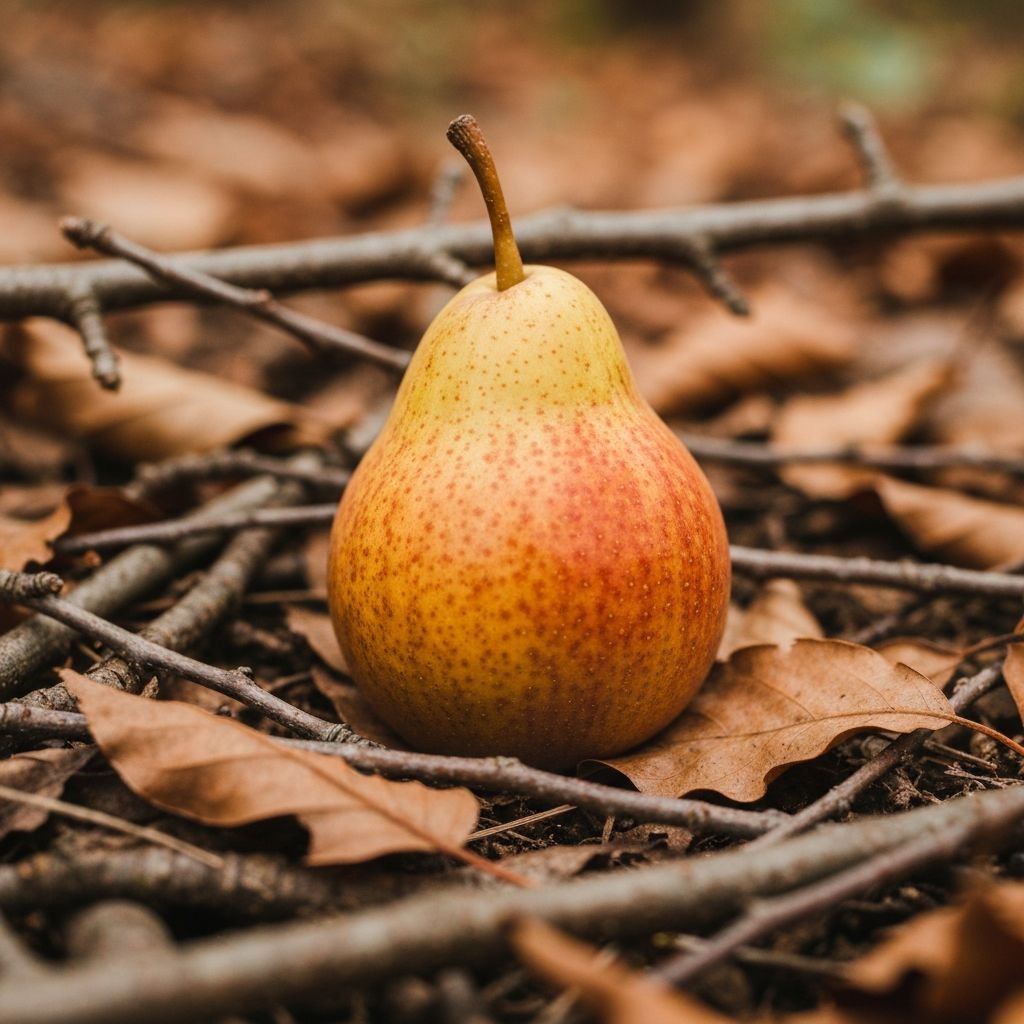
Seasonal Food Cycles & Physiology
Evidence-based context of seasonal availability and physiological adaptations.
Read Article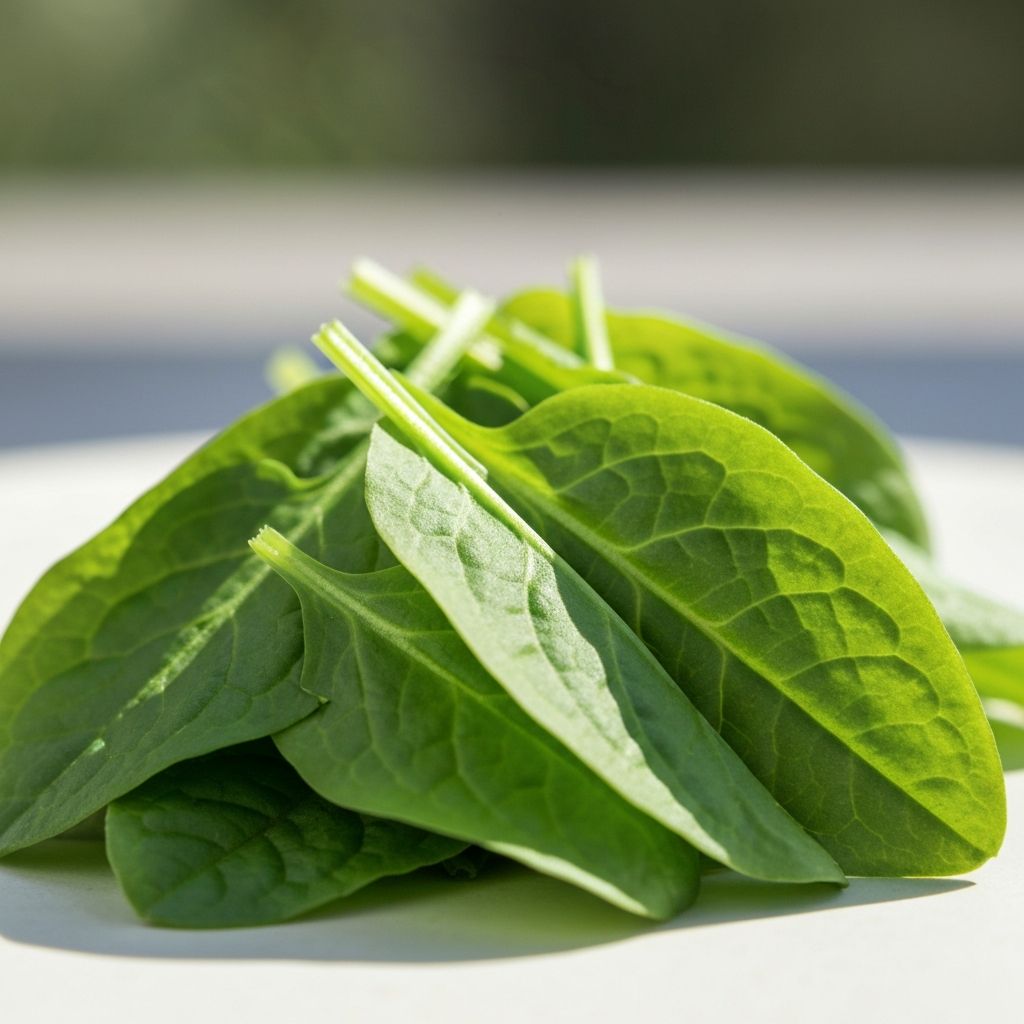
Natural Satiety Mechanisms
Descriptive science of how whole foods signal fullness to the body.
Read Article
Digestive Health & Food Diversity
General insights on how varied food intake supports digestive system function.
Read Article
Misconceptions in Natural Nutrition
Evidence clarifications distinguishing natural nutrition beliefs from scientific findings.
Read ArticleWhole Food Nutrient Profiles
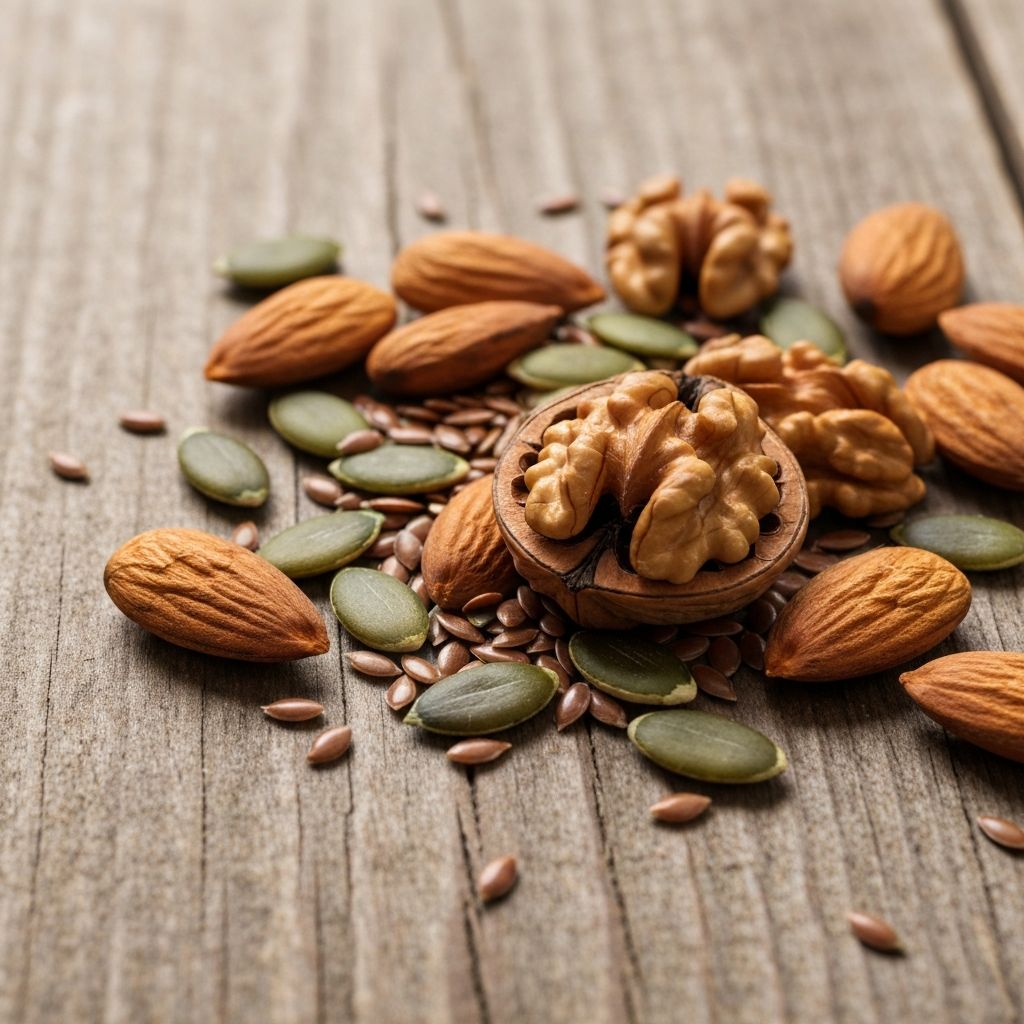
Plant-Based Proteins
Seeds, legumes, and nuts offer complete amino acid profiles with additional fiber and mineral content.
Natural Fats & Oils
Whole food fats from nuts, seeds, and cold-water organisms provide essential fatty acids with natural antioxidant compounds.
Micronutrient Density
Diverse vegetables and fruits deliver concentrated vitamins, minerals, and phytonutrients in their natural matrix.
Fiber Architecture
Different fiber types in whole foods create distinct physiological effects, from fermentation to mechanical effects on digestion.
Frequently Asked Questions
Explore Nature's Nourishment Further
Discover more about natural nutrition science and evidence-based perspectives.
Discover Related Nature Insights